Thursday, March 15, 2012
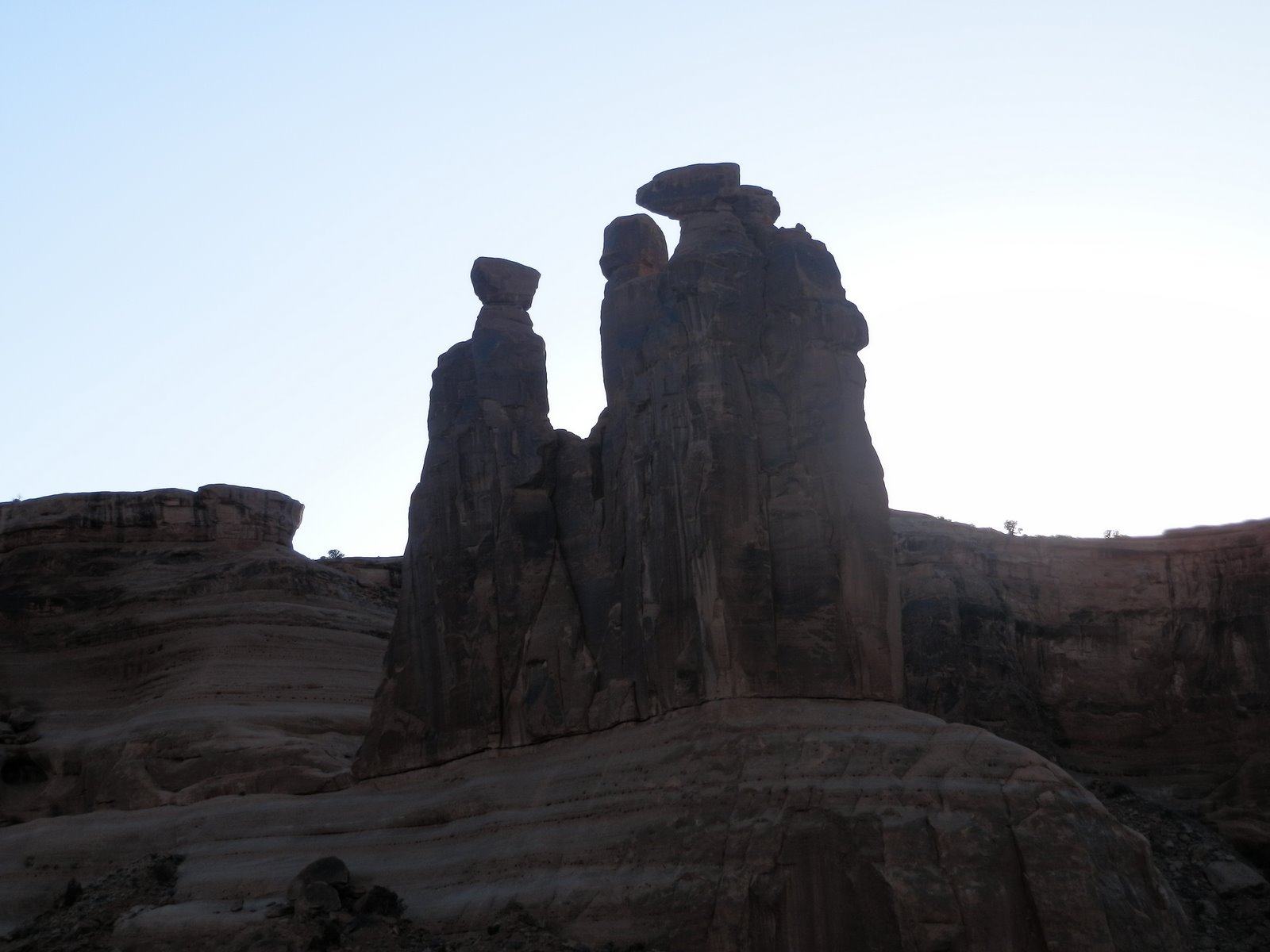
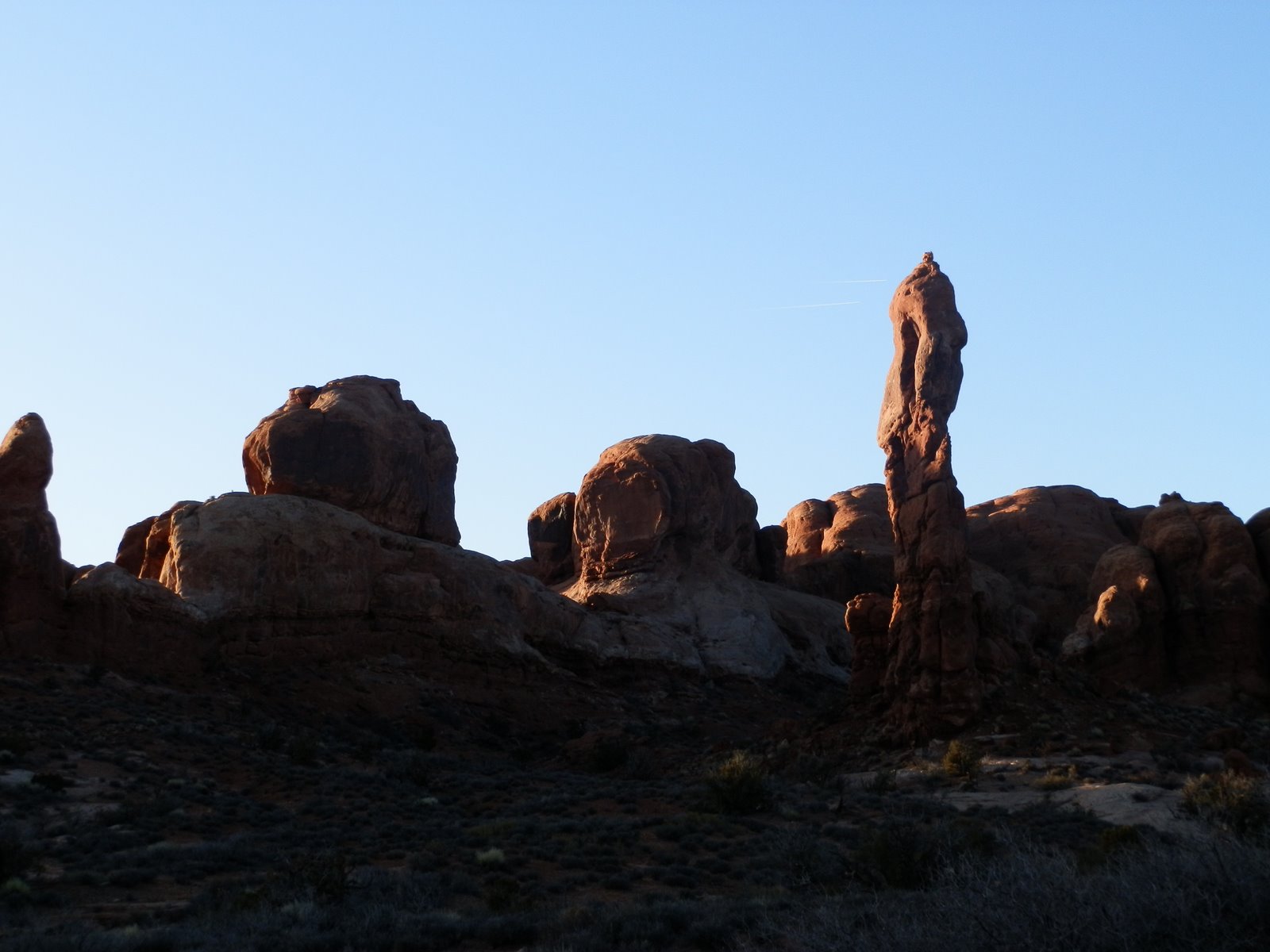
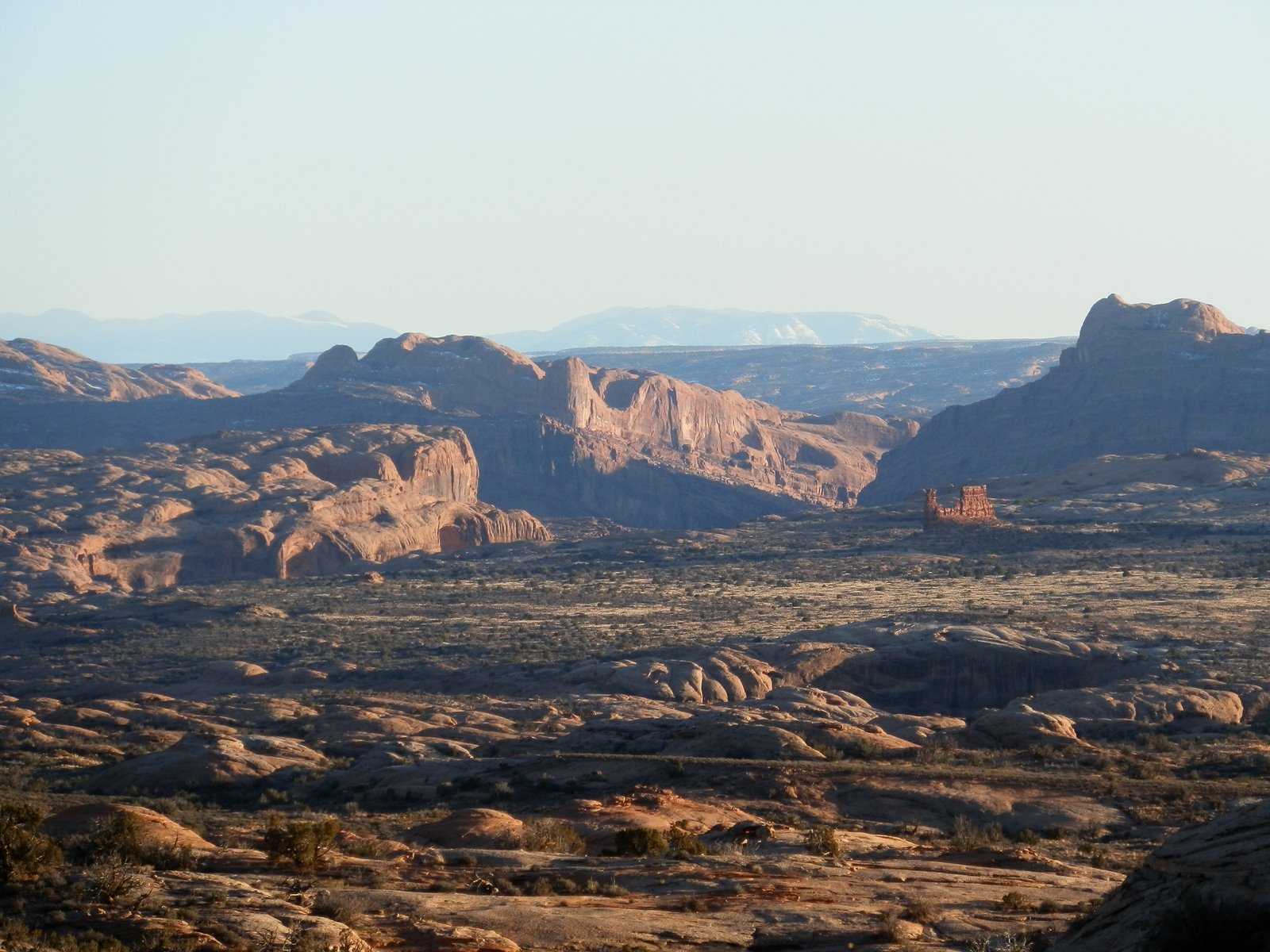
Tour of the Tilted Rocks
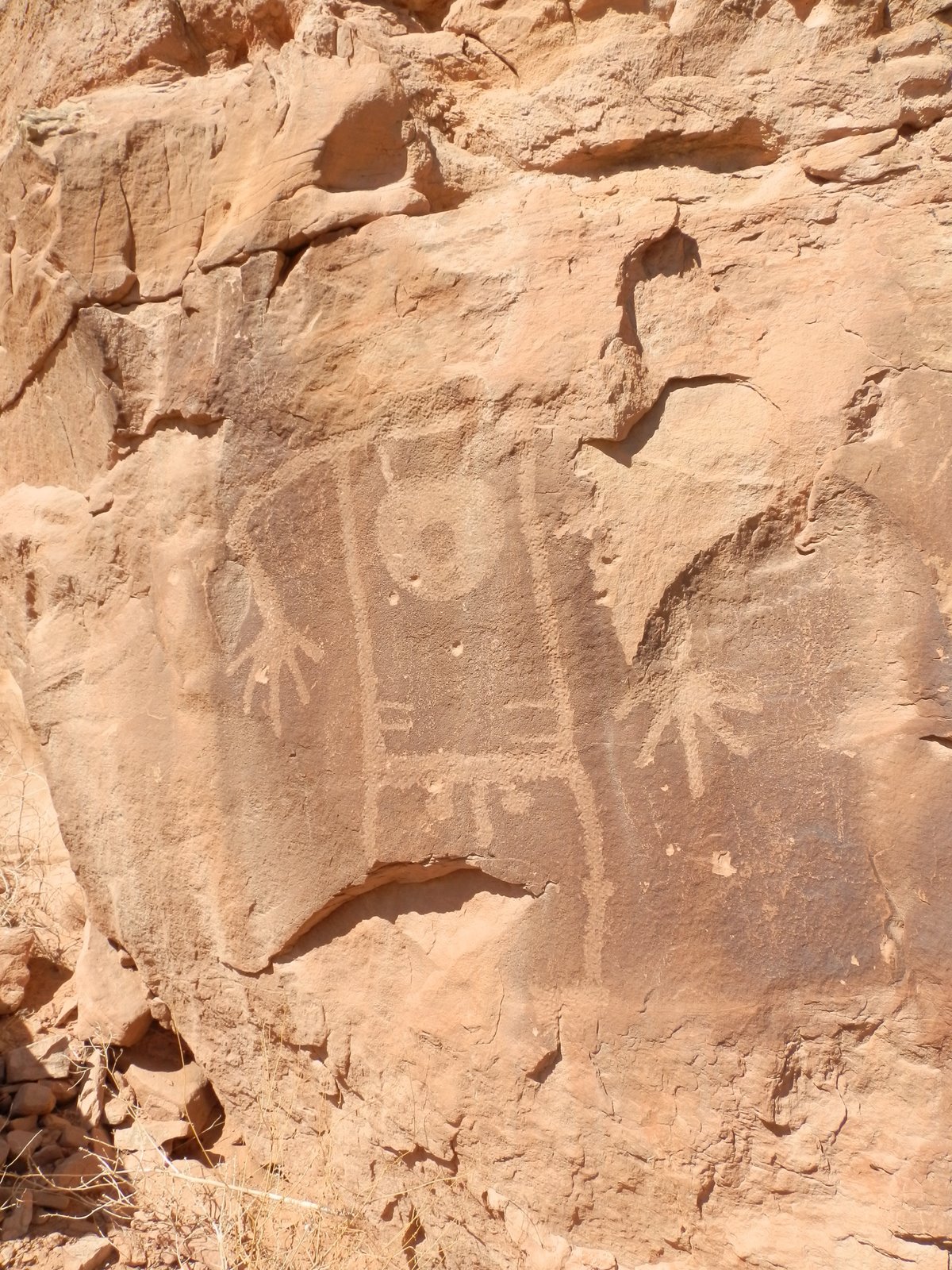
Turtle Rock
These drawings were probably made by the Fremont people about 1,000 years ago. Using sharp tools, they pecked away at the dark natural stain on the rock surface- called desert varnish- to reveal the light colored sandstone beneath. Some of the designs are easily recognizable, but their meaning is not. Was this religious art, a symbolic language, or simply something created to fill idle moments? No one can be sure.
Thursday, October 20, 2011
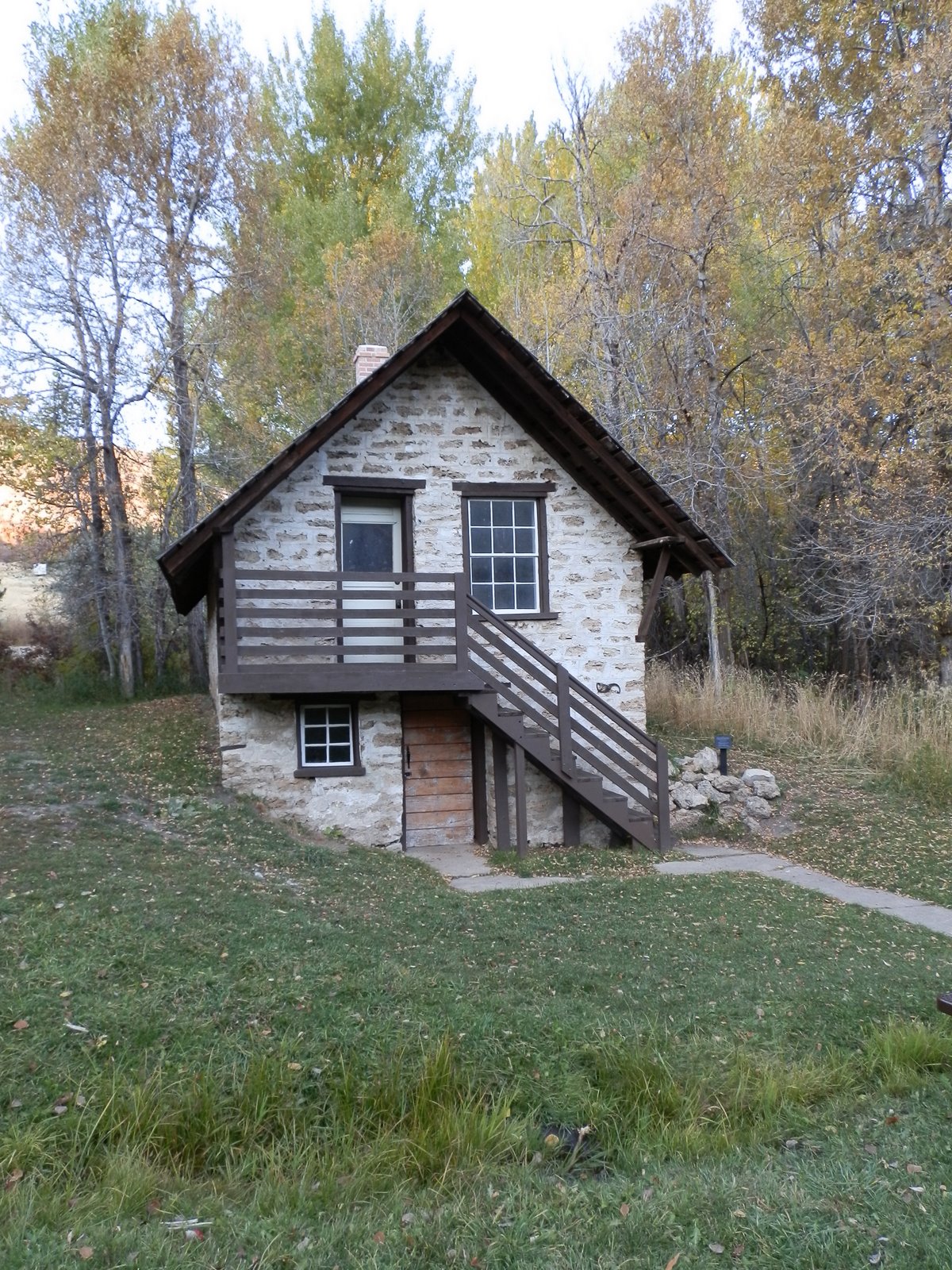
Huber Grove, Midway, Utah
Huber was a fruit grower, poet, and LDS missionary who served as a catalyst for the establishment of Swiss immigrants in the West. His home, one of Utah's few documented examples of Swiss-American architecture, served as a community gathering place. Members of the Huber family lived in the house until the property became part of the Wasatch Mountain State Park in the early 1960s. The ranch house and creamery have been meticulously restored. The creamery was built around 1900 of local "pot rock." Utilizing extensive documentation from old photographs, family records, and on-site artifacts, a team of skilled architects and contractors restored each individual architectural component to its original appearance. The house's historic kitchen which had been removed was reconstructed in its original location using archaeological evidence and photos.
Saturday, August 13, 2011
Bear Lake, Utah and Idaho
Bear Lake is a natural freshwater lake on the Utah-Idaho border. It is the second largest natural freshwater lake in Utah and has been called the "Caribbean of the Rockies" for its unique turquoise-blue color. Its water properties have led to the evolution of several unique species that live naturally only within the lake. It was formed by fault subsidence that continues today, slowly deepening the lake along the eastern side. It doesn't have much for public beaches, but it is a wonderful place. The water is surprizingly warmer than expected, at least in the shallow parts. We were hoping, but had no sightings of the Bear Lake Monster. Oh well, maybe next time!
Fossil Butte National Monument
Some of the world's best preserved fossils are found in the flat-topped ridges of southwestern Wyoming's cold sagebrush desert. Fossilized fish, insects, plants, reptiles, birds, and mammals are exceptional for their abundance, variety, and detail of preservation. It is a small monument, but very interesting, and the kids loved it!

Subscribe to:
Posts (Atom)