Sunday, April 8, 2012
The Weeping Virgin Tree
An image of the Virgin Mary appeared spontaneously in an elm tree in a small park in Salt Lake City. What appeared to be a robed figure in a sawed-off branch of the tree was sighted. Sap oozed from the head of the figure, as if she was crying. Unfortunately, vandals chopped out the apparition in 2002, leaving this jagged hole. Mourners flocked to the tree. Despite the damage, the site continues to attract a steady stream of believers ten years later.
Worth Visiting...
The Our Little Angel Statue can be found in the Salt Lake City Cemetery. It was commissioned by Richard Paul Evans, author of The Christmas Box, after he heard that grieving readers were seeking out the angel. The bronze statue really is beautiful, and it's obvious that it is frequently visited. There is an invitation on the plaque inviting visitors to place a white flower at its base.
After a longer than expected hunt, we found the grave of Brigham Young, Utah's first governor and the second President of the Church of Jesus Christ of Latter-Day Saints. It is in a peaceful and beautiful little park. There are also several other graves, including four of his wives and poetess, Eliza R. Snow.
This large mural, called SLC Pepper, on the side of a parking garage has dozens of famous faces on it. The artwork is a take on the Beatles' iconic "Sgt. Pepper" album. Jann Haworth, the woman behind the project, helped design the album's original artwork.

After a longer than expected hunt, we found the grave of Brigham Young, Utah's first governor and the second President of the Church of Jesus Christ of Latter-Day Saints. It is in a peaceful and beautiful little park. There are also several other graves, including four of his wives and poetess, Eliza R. Snow.
This large mural, called SLC Pepper, on the side of a parking garage has dozens of famous faces on it. The artwork is a take on the Beatles' iconic "Sgt. Pepper" album. Jann Haworth, the woman behind the project, helped design the album's original artwork.
Thursday, March 15, 2012
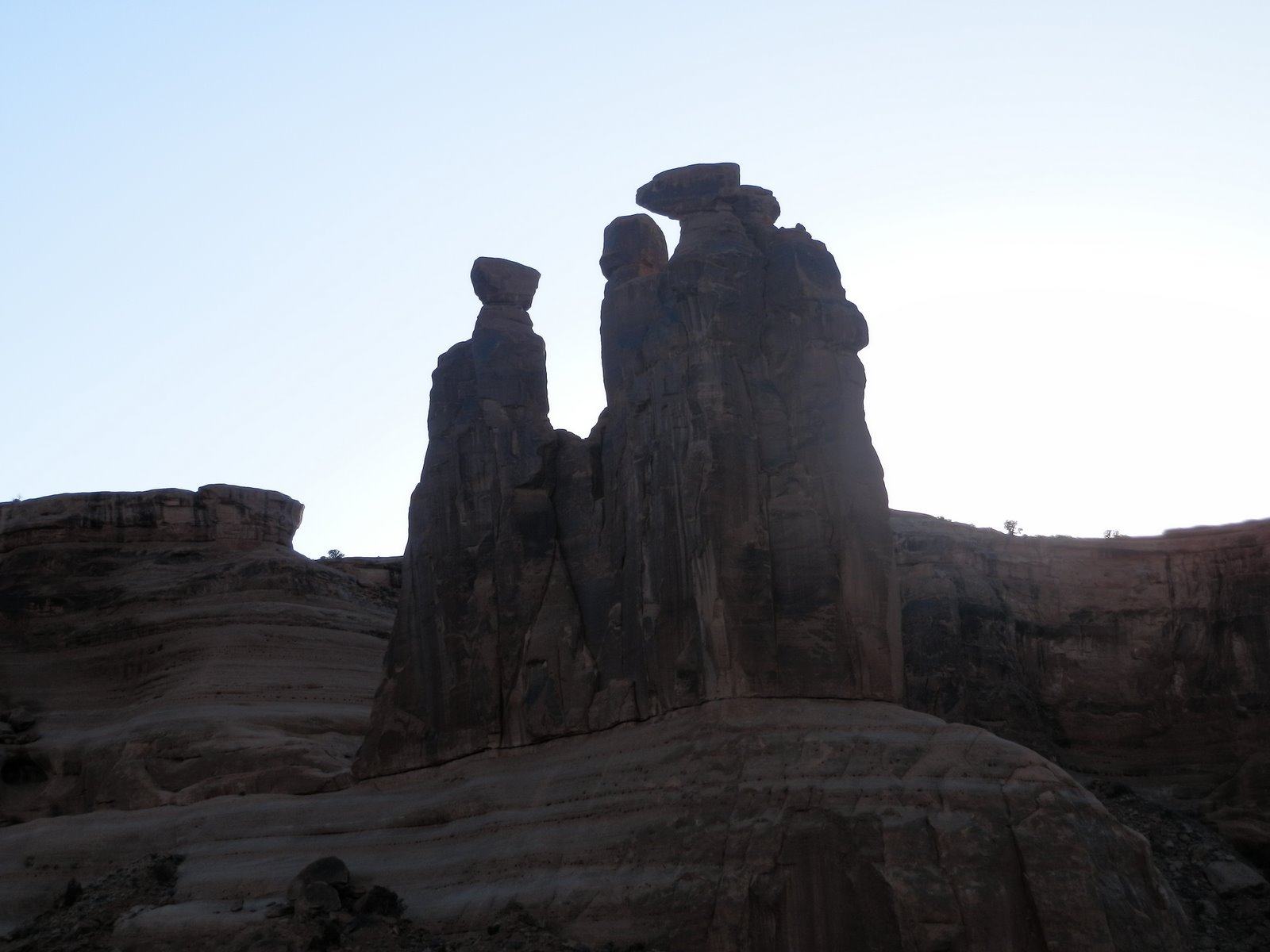
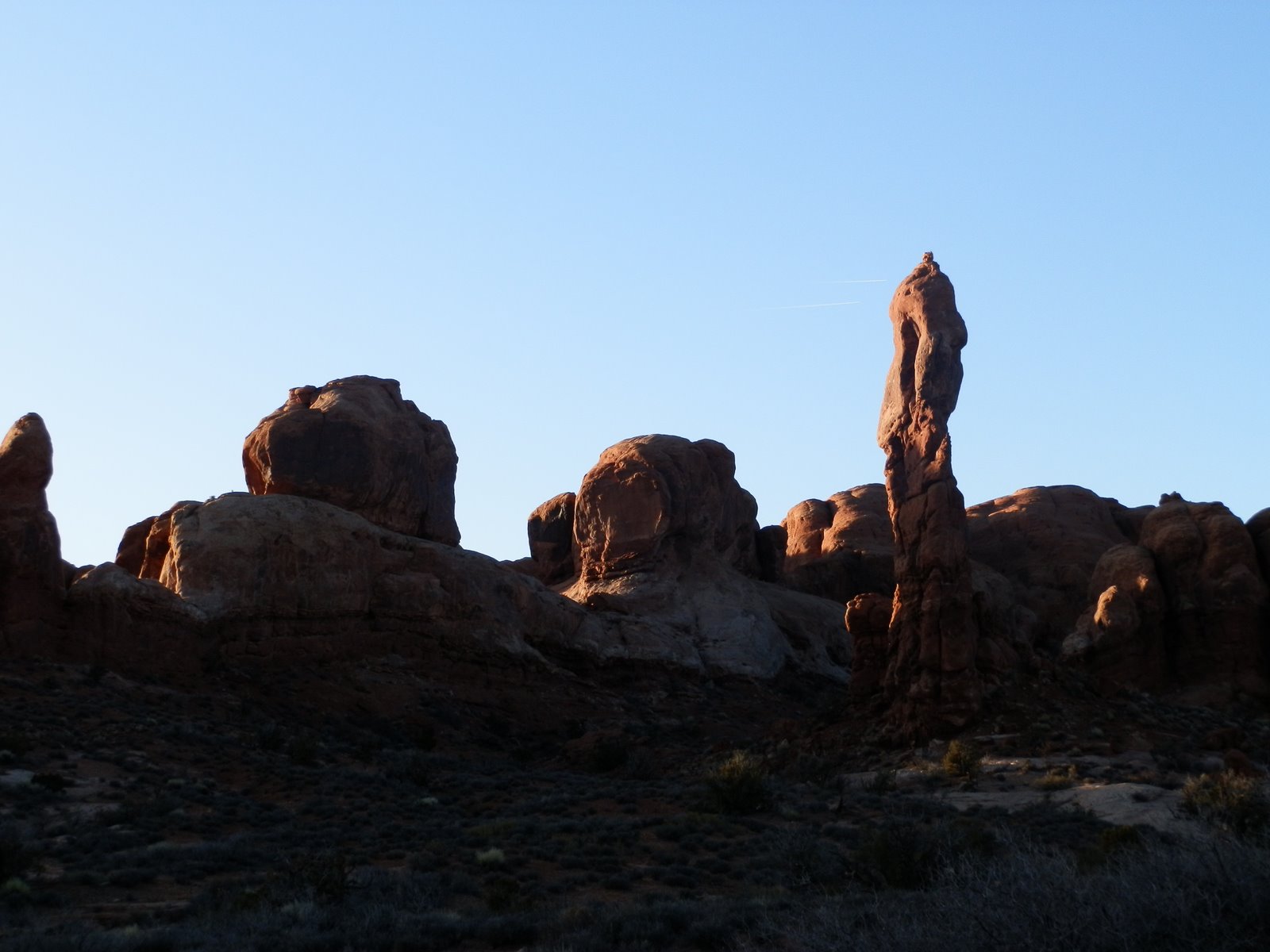
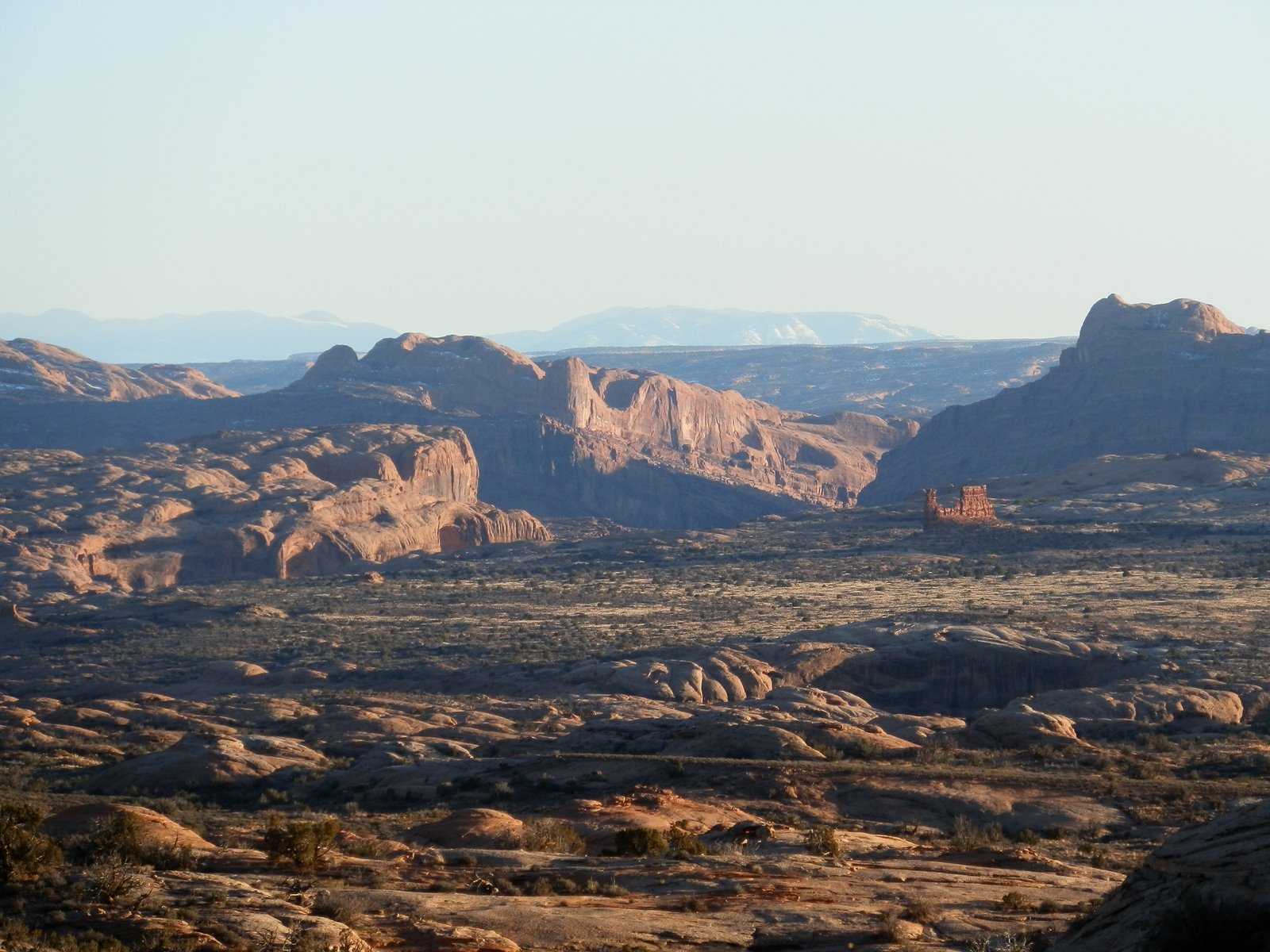
Tour of the Tilted Rocks
Turtle Rock
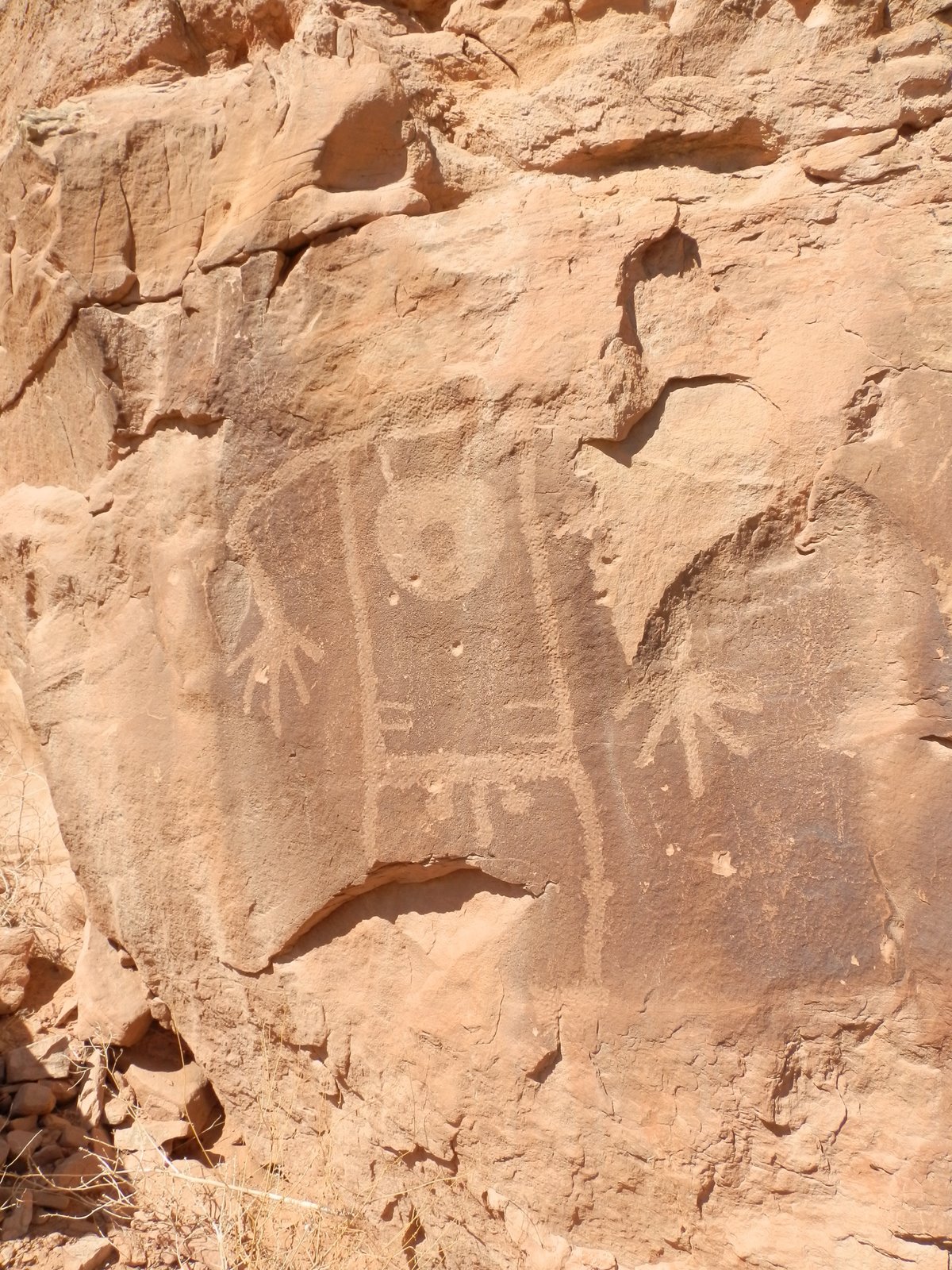
These drawings were probably made by the Fremont people about 1,000 years ago. Using sharp tools, they pecked away at the dark natural stain on the rock surface- called desert varnish- to reveal the light colored sandstone beneath. Some of the designs are easily recognizable, but their meaning is not. Was this religious art, a symbolic language, or simply something created to fill idle moments? No one can be sure.
Thursday, October 20, 2011
Huber Grove, Midway, Utah
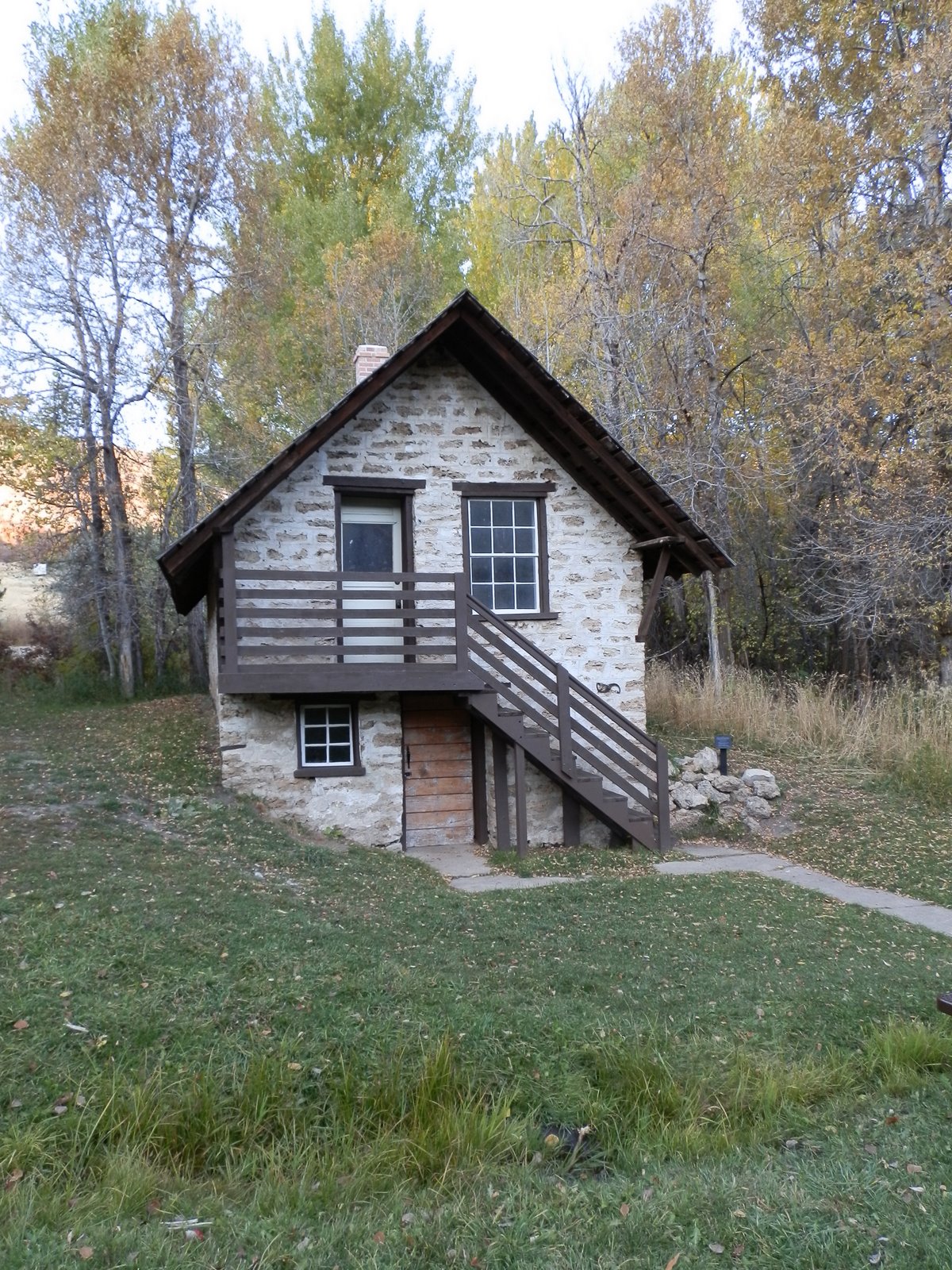
Huber was a fruit grower, poet, and LDS missionary who served as a catalyst for the establishment of Swiss immigrants in the West. His home, one of Utah's few documented examples of Swiss-American architecture, served as a community gathering place. Members of the Huber family lived in the house until the property became part of the Wasatch Mountain State Park in the early 1960s. The ranch house and creamery have been meticulously restored. The creamery was built around 1900 of local "pot rock." Utilizing extensive documentation from old photographs, family records, and on-site artifacts, a team of skilled architects and contractors restored each individual architectural component to its original appearance. The house's historic kitchen which had been removed was reconstructed in its original location using archaeological evidence and photos.
Subscribe to:
Posts (Atom)